- Aug 21
The Modern World is Making Us Sick! Discover the Power of Reconnecting with Nature.
- Alexandre Applefield-Alvarez
- Nature, Well-being
- 0 comments
Most of us now live in cities and work indoors—whether at home, in a store, or in an office. Don’t you feel overwhelmed and find it hard to see the purpose of life? Aren’t you exhausted, nervous, anxious, or completely joyless?
If so, you are likely one of the millions of people suffering from a chronic lack of connection to nature.
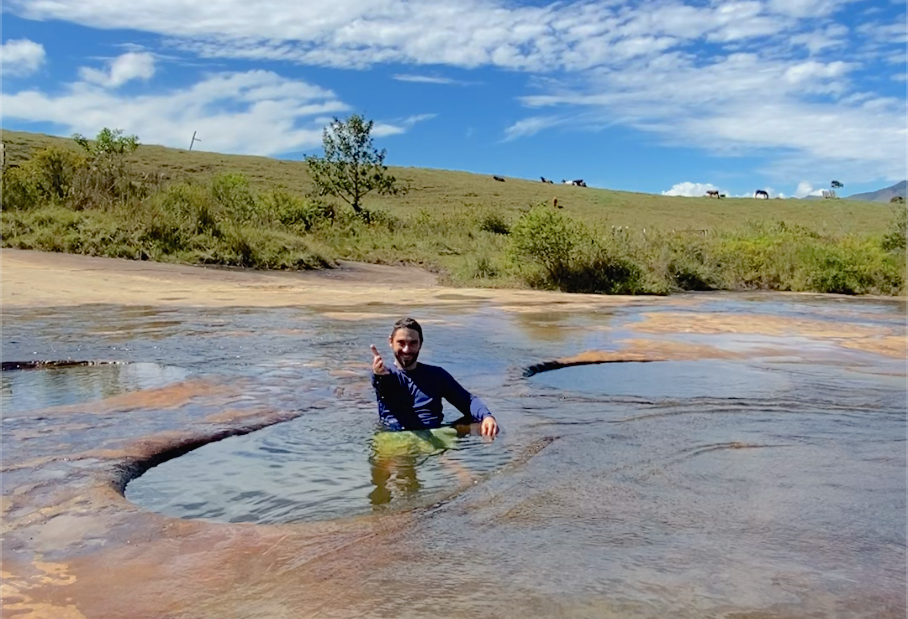
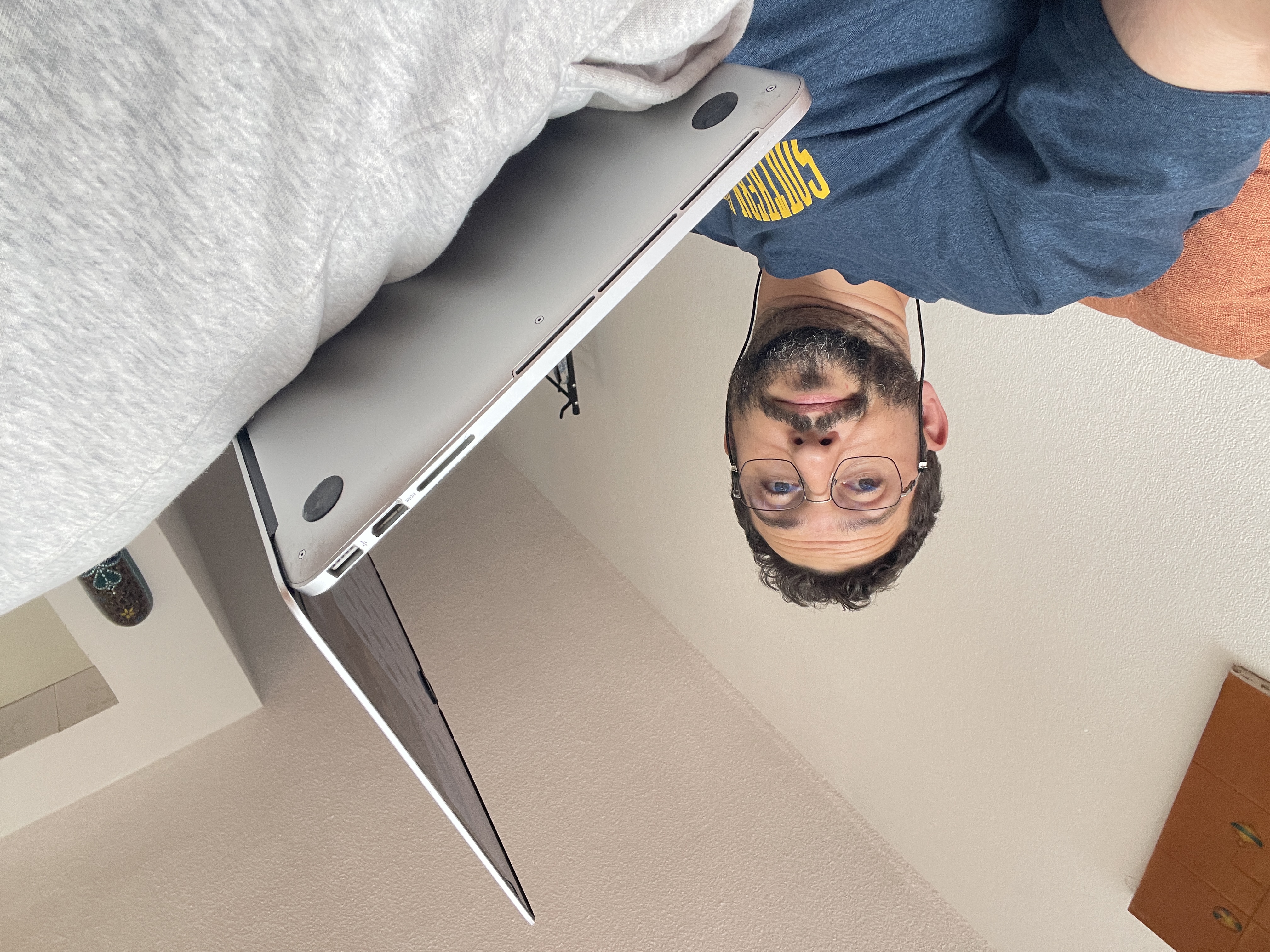
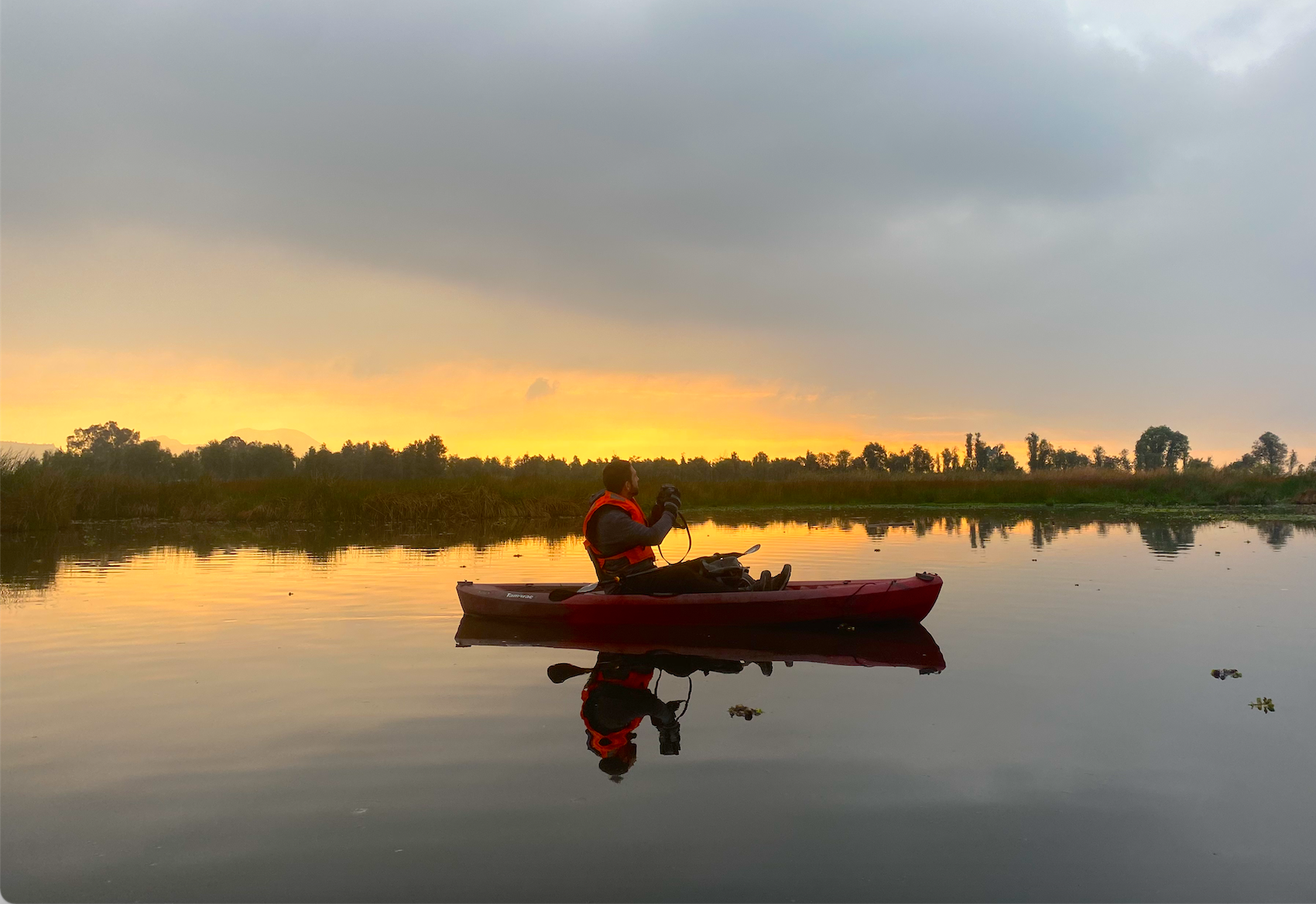
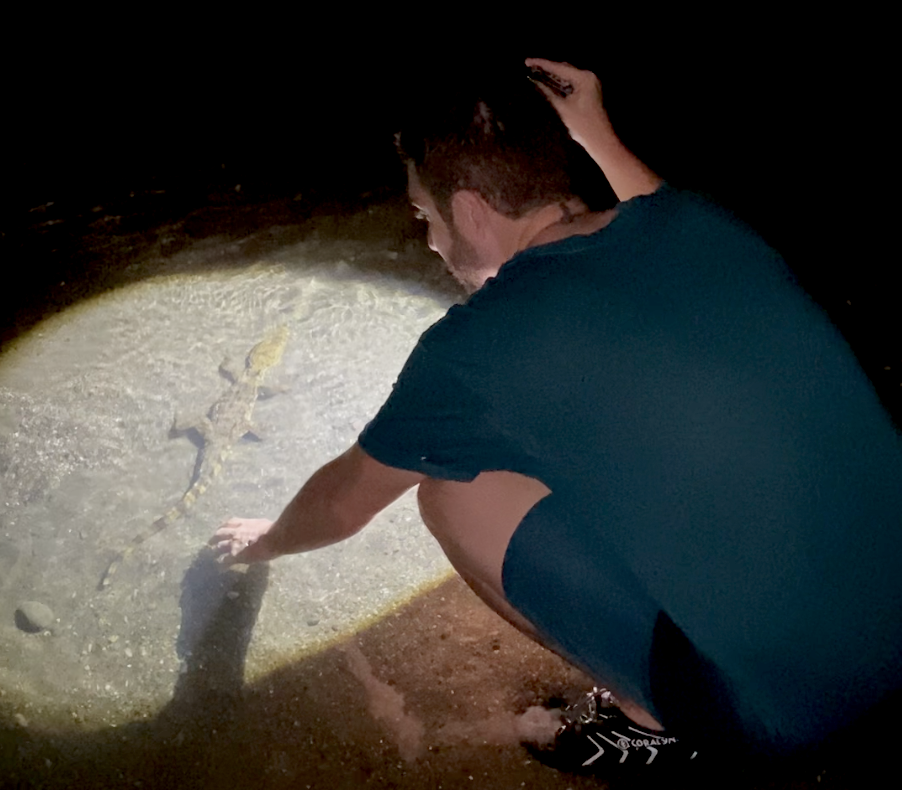
I’m lucky enough to alternate between working from home, on my computer, and getting out to different ecosystems – ocean, jungle, mountain, rivers, plains, and meeting with both local communities and the wildlife that live there. And it is very obvious that my body and mind react and feel completely differently in these opposite settings. So I decided to do some research, and it turns out it's not just me. There are severe consequences to our modern lifestyle and great advantages to reconnecting with the natural world. Let’s take a look.
Living in an Artificial World Is Making Us Sick and We Know Why
Industrialization and urbanization have radically transformed our lifestyles in a very short time. Yet, for 300 thousand years, humans lived in and with nature. We traveled on foot, by horse, or on donkeys; we checked the sun's position to tell time; and we relied on all our senses—like hearing and smell—to navigate the world.
Today, we live in enclosed spaces under artificial lighting, barely walk, and exercise mostly in gyms. And we all depend on the agroindustrial complex for food. How many people do you know that could survive as hunter gatherers today if needed?
We aren't wired to live this way. This makes sense when you realize that over 99.9% of human history and evolution took place before the start of industrialization. Recent scientific research—in neuroscience, psychology, and evolutionary biology—proves that disconnecting from nature takes a heavy toll on both our physical and mental health.
Beyond individual wellness, this separation severs our collective responsibility toward the living world, fostering an era where environmental degradation goes unnoticed because we have forgotten the ecosystems that sustain us.
Take a look at cities. We live with hundreds of plants and animals, as well as with each other. But when we’re on the street, we act like we’re alone. Very little collaboration goes on with other humans (except maybe through our phones), and the non-human world is virtually invisible to us. We act as if cement, buildings, cars and packaged food were natural in a subconscious attempt to fool our biology.
How Exactly Does Overstimulation Affect Us?
Our modern environment is defined by its fast pace, constant light, and endless noise. This artificial setup triggers a chronic state of overstimulation that directly damages our well-being:
It forces our brains into constant alertness: This sustains prolonged high levels of cortisol (the danger hormone) and adrenaline (the fight-or-flight hormone). The fallout is extensive, leading to unbearable fatigue, weight gain, and a weakened immune system.
-
It triggers mood swings and anxiety: The statistical link between these disorders, depression, and a lack of nature contact is now well-established.
-
It leads to Nature Deficit Disorder: Especially in children, this condition reduces attention spans, hinders emotional regulation, and causes behavioral issues (see Last Child in the Woods by Richard Louv).
-
It impairs our cognitive faculties: Leaving us in a permanent brain fog, destroying our problem-solving skills, and making us highly irritable.
I have so much more energy, motivation and ability to focus when I’m in nature. I have no issue getting up at 4 am to look for wildlife in the Colombian jungle or spending hours on a small boat looking at the horizon for a whale shark fin sticking out. And when I get back, I sleep like a baby! Can you say the same thing about a day at the office?
Anything Else? Oh, Yes!
A lack of natural light, fresh air, natural food and direct connection to the earth and plant life has a direct, measurable impact on our physical health. Without regular contact with plants, our immune systems take a serious hit. Trees and plants defend themselves against harmful insects, bacteria, and fungi by releasing volatile organic compounds called phytoncides into the air. When we breathe these in—during a walk through the woods, for instance—they stimulate our immune response.
Furthermore, by swapping natural sunlight for artificial lighting and disrupting our natural day-night cycles, we throw off our melatonin production (the sleep hormone). This imbalance directly leads to sleep disorders, metabolic issues, and potentially chronic inflammation.
Beyond our biology, this isolation breeds an environmental crisis: when we view nature merely as a backdrop or a resource rather than our living home, we lose the collective empathy required to protect vulnerable ecosystems, rivers, and wildlife habitats from destruction.
The Joy of Discovery and Our Kinship with Life
Reconnecting with nature is about far more than health benefits; it is about reclaiming the profound joy and awe that comes from exploration. When we step outside, we enter a vast, living library. There is a unique thrill in learning the language of the wilderness—identifying the tracks of a wild animal, understanding the seasonal cycles of plants, or simply witnessing the complexity of a local habitat.
This curiosity heals us. Our interactions with other animal species—observing their intelligence, their complex social lives, and their resilience—remind us that we are not solitary creatures, but part of a diverse, interconnected community of life. When we engage with the "more-than-human" world with humility and wonder, we shift from being mere consumers of our environment to being active, joyful participants in it. This awe-filled connection is the antidote to the joylessness of the modern grind.
How to Turn Things Around
We have so much to gain by reconnecting with the natural world—whether by taking a stroll through a park, a meadow, or a forest. Finding our way back to nature really isn't that difficult. In fact, it is a powerful way to reconnect with ourselves, rekindle our sense of wonder, and rebuild a shared culture of environmental stewardship.
Ready to take the first step?
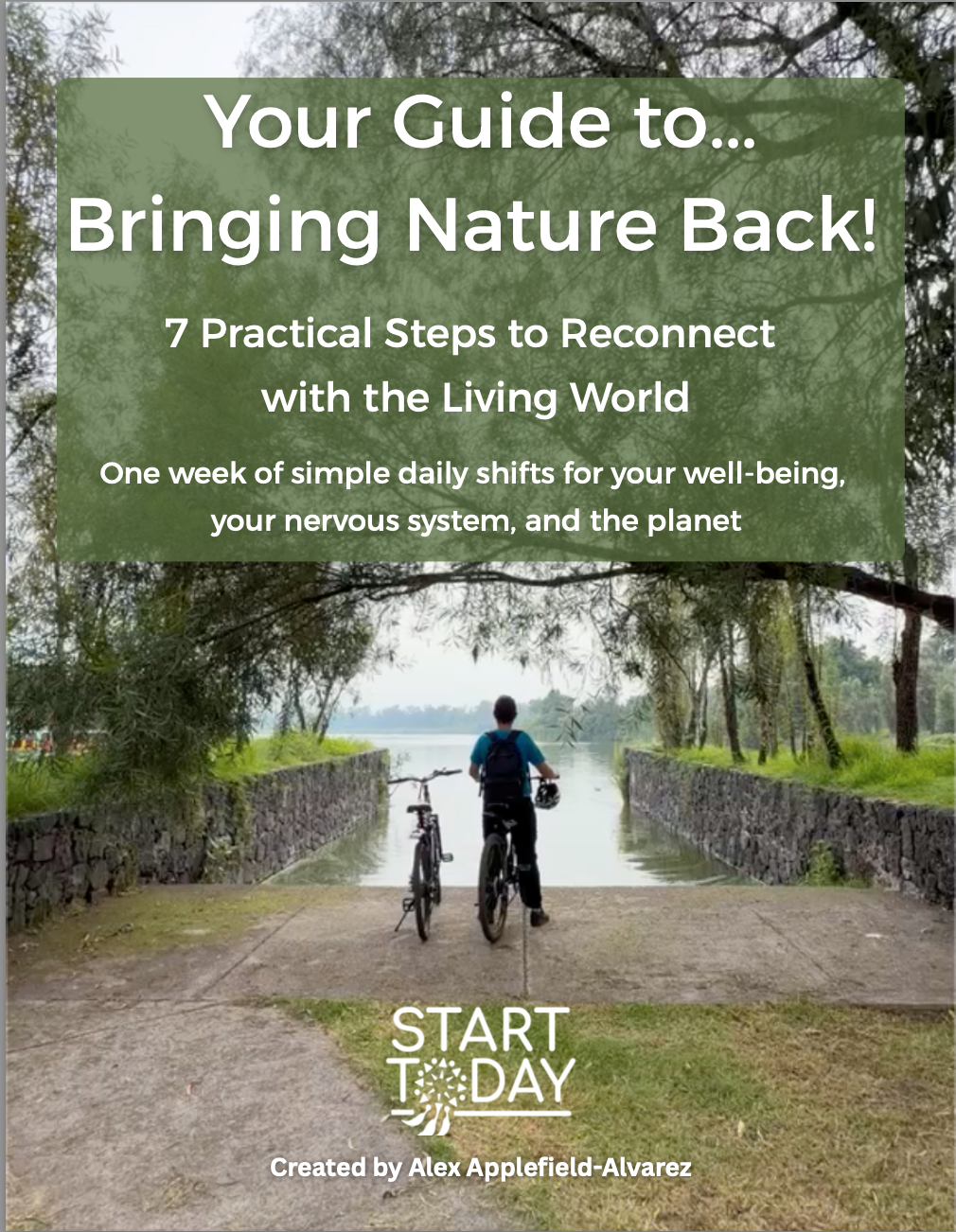
Download my Free Guide and discover exactly what you can do to bring nature back into your daily life!
I hope you find this useful.
Always feel free to reach out, and to share your thoughts in the comments! ;)
Best,
Alex